Do Scaler SCHOOL OF TECHNOLOGY Students Get Remote Internships? 2026 Reality Check


The biggest question students and parents are asking in 2026 is simple: Do Scaler SCHOOL OF TECHNOLOGY students actually get remote internships, or is it just marketing?
The short answer is yes — many students at Scaler School of Technology are getting remote and hybrid internship opportunities. But there is also an important reality check: these opportunities are highly skill-dependent, competitive, and usually reserved for students who consistently perform well in coding, projects, system design, and interview preparation.
In 2026, remote internships are no longer limited to freelancers or experienced developers. AI startups, SaaS companies, fintech firms, and global tech companies are actively hiring remote engineering interns from skill-focused programs. This is exactly where Scaler SCHOOL OF TECHNOLOGY (SST) positions itself differently from traditional colleges.
According to Scaler’s official career outcomes page, students have secured internships with strong stipend packages, and the program focuses heavily on industry immersion and practical learning.
This blog gives you a complete 2026 reality check about:
Remote internship opportunities at SST
Whether internships are truly remote
Average stipend expectations
Skills required
Hiring companies
Remote work culture
Challenges students face
Whether SST is worth it for remote tech careers
Scaler School of Technology Remote Internships 2026: The Big Reality
Traditional engineering colleges in India still follow an outdated model:
Theory-heavy syllabus
Limited industry exposure
Short 2-month internships
Placement preparation only in final year
Scaler SCHOOL OF TECHNOLOGY tries to solve this by integrating industry-focused learning from the beginning.
The major difference is the 1-year industry internship model, which gives students practical exposure much earlier than most colleges. According to publicly shared reports and placement-related data, around 96% of students reportedly secured internships by the second year.
What makes this important in 2026 is that many of these opportunities are:
Fully remote
Hybrid
Startup-based
Product engineering focused
AI and SaaS driven
This aligns with the broader tech industry trend where companies are comfortable hiring remote interns if they have strong technical skills.
Why Remote Internships Are Growing in 2026
The software industry changed massively after the AI boom and global remote work expansion.
Companies now prioritize:
Skills over degrees
GitHub portfolios over marks
Real projects over theory
Problem-solving ability over college tags
This is one reason why programs like SST are attracting attention.
Remote internships help companies:
Reduce operational costs
Access talent from anywhere
Hire students early
Build future full-time pipelines
In 2026, many startups operate completely remotely. AI companies especially hire developers from different locations globally.
This creates a huge advantage for students who already know:
Data Structures & Algorithms
Full Stack Development
Backend Engineering
AI tools
System Design
Cloud basics
Scaler’s curriculum heavily focuses on these areas, which increases the chances of remote internship opportunities.
Do SST Students Actually Get Remote Internships?
Yes, but not every student automatically gets a dream remote internship.
This is the most important reality check.
The internet often shows only the highest stipend stories and top performers. The actual situation is more nuanced.
Students who usually secure strong remote internships are those who:
Maintain coding consistency
Solve DSA problems regularly
Build strong GitHub projects
Participate in hackathons
Prepare for interviews early
Learn AI tools and frameworks
Build real applications
Reports around SST internship outcomes suggest students are working with:
Product companies
SaaS startups
AI startups
Fintech firms
Backend engineering teams
Many of these companies offer remote or hybrid setups.
However, students expecting automatic placements without effort may struggle.
Companies Hiring SST Students for Internships
Based on public reports and recruiter mentions, companies associated with internships and hiring pipelines include:
Google
Amazon
Microsoft
Uber
Razorpay
AI startups
SaaS startups
Fintech companies
Not every internship is fully remote, but hybrid and remote roles have increased significantly in 2026.
The most common remote internship roles include:
Software Development Engineer (SDE)
Backend systems
APIs
Databases
Scalable systems
Full Stack Developer
React
Next.js
Node.js
Frontend + backend integration
AI/ML Intern
LLM applications
AI tools
Model integrations
Prompt engineering
DevOps & Cloud Intern
AWS
CI/CD
Docker
Kubernetes basics
Scaler School of Technology Remote Internships 2026 Stipend Reality
One of the biggest reasons students search for Scaler School of Technology Remote Internships 2026 is stipend expectations.
Here’s the realistic breakdown based on available reports:
Category | Expected Stipend |
Average internship stipend | ₹30K–₹35K/month |
Top performers | ₹90K+/month |
Highest reported stipend | ₹2 lakh/month |
Typical beginner range | ₹15K–₹40K/month |
Important reality check:
The ₹2 lakh/month internships are rare
These are usually international or elite startup roles
Only top-performing students reach those numbers
Most students should expect realistic internship packages between ₹20K and ₹40K initially.
That is still significantly higher than many traditional engineering colleges where internships are unpaid or low-paying.
Why Companies Prefer SST Students for Remote Roles
Remote internships require trust.
Companies want interns who can:
Work independently
Communicate properly
Learn quickly
Ship products faster
Solve problems without supervision
SST’s curriculum reportedly emphasizes:
Practical coding
Industry mentorship
Product-building
Real-world engineering exposure
This helps students adapt better to remote work environments.
Another major factor is AI integration.
In 2026, companies increasingly want developers who can work with:
AI coding assistants
LLM APIs
AI workflows
Automation tools
Scaler heavily markets AI-forward learning, which aligns with current industry demand.
Challenges SST Students Face in Remote Internships
The internet mostly highlights success stories, but there are challenges too.
1. High Competition
SST students compete against:
IIT students
NIT students
Self-taught developers
International applicants
Remote roles are global now.
2. Fast-Paced Learning
The curriculum is intense.
Students who cannot maintain consistency may struggle.
3. Self-Discipline
Remote internships require strong discipline because:
No physical supervision
Independent deadlines
Async communication
Time management
4. Skill-Based Pressure
Unlike traditional colleges where CGPA matters more, remote hiring often depends on actual coding ability.
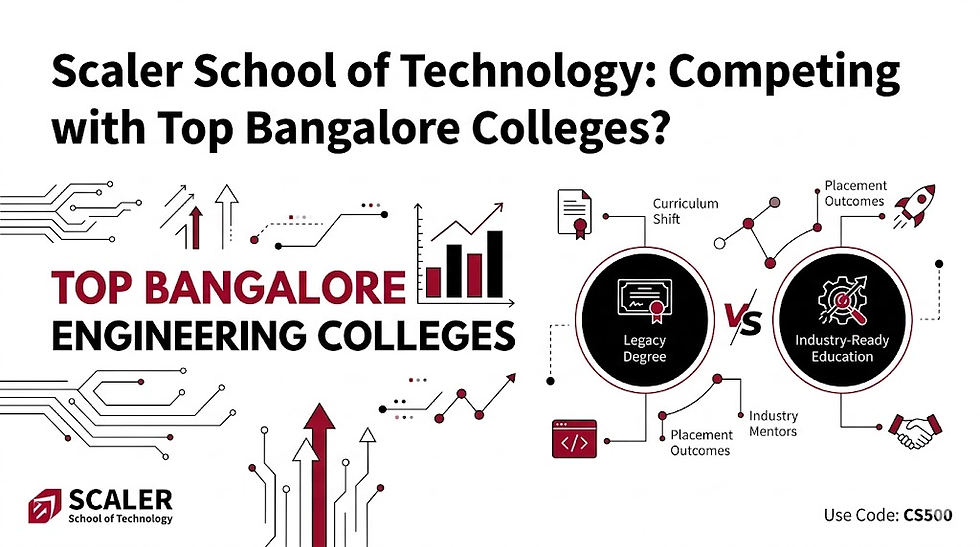
Is SST Better Than Traditional Colleges for Remote Careers?
For software engineering and AI-focused careers, SST appears more aligned with modern hiring trends than many traditional colleges.
Here’s why:
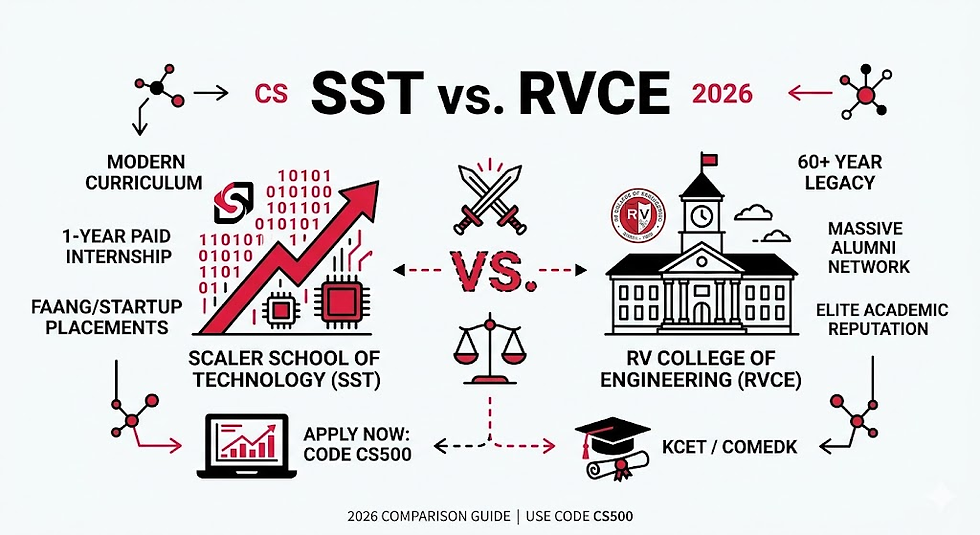
Traditional Colleges | SST Approach |
Theory-heavy | Skill-focused |
Outdated syllabus | AI-integrated curriculum |
Short internships | Long industry immersion |
Limited mentorship | Industry mentors |
Final-year placement focus | Early internship focus |
However, traditional colleges still offer:
Strong alumni networks
Recognized degrees
Campus life
Broader academic ecosystem
So the better choice depends on your goals.
If your goal is:
Software engineering
AI engineering
Startup culture
Remote tech careers
Product development
Then SST’s model is clearly designed around those outcomes.
Skills Needed to Crack Remote Internships in 2026
Even with SST support, students still need strong skills.
The most important skills in 2026 are:
Technical Skills
DSA
System Design basics
React
Node.js
Databases
APIs
AI tools
Git & GitHub
Soft Skills
Communication
Async collaboration
Documentation
Problem-solving
Time management
Portfolio Requirements
Students with strong portfolios often have:
GitHub repositories
Full-stack apps
AI projects
Open-source contributions
Hackathon experience
How to Apply to Scaler SCHOOL OF TECHNOLOGY
If you want to explore SST and its internship ecosystem, you can check the official website below.
Apply here:Scaler School of Technology Application Link
Use Coupon Code: CS500
FAQ – Scaler School of Technology Remote Internships 2026
Q1. Do Scaler School of Technology students get remote internships in 2026?
Yes, many students reportedly secure remote or hybrid internships through product companies, startups, and AI-focused firms. However, outcomes depend heavily on student performance and technical skills.
Q2. What is the average stipend for Scaler School of Technology Remote Internships 2026?
The average stipend is reportedly around ₹30K–₹35K per month, while top performers may secure significantly higher packages.
Q3. Are remote internships guaranteed at SST?
No institute can legally guarantee internships. SST reports a high internship success rate, but students still need to work consistently on coding and projects.
Q4. Which companies hire SST students?
Companies and startups mentioned in reports include Google, Amazon, Microsoft, Uber, Razorpay, and several SaaS and AI startups.
Q5. Is Scaler SCHOOL OF TECHNOLOGY worth it for remote tech careers?
For students focused on software engineering, AI, startups, and remote work culture, SST appears strongly aligned with modern industry hiring trends in 2026.
Conclusion
The reality is that Scaler School of Technology Remote Internships 2026 are real, but they are not automatic success stories for everyone.
Students who consistently build skills, projects, and coding discipline appear to benefit the most from the SST ecosystem.
The biggest advantage SST offers is early industry exposure, modern curriculum alignment, and a tech-focused environment designed around current software industry needs.
In 2026, remote internships are becoming a major gateway into high-paying software engineering roles. Programs that prioritize practical learning and industry readiness naturally perform better in this environment.
SST seems to position itself exactly around that trend.
If your goal is to become:
A software engineer
AI engineer
Startup developer
Remote tech professional
then SST is definitely worth researching seriously.
Start Your Tech Career Journey
Want to explore Scaler SCHOOL OF TECHNOLOGY and check internship opportunities for 2026?
Apply Here:Scaler SCHOOL OF TECHNOLOGY Official Link
Use Coupon Code: CS500
Learn more about career outcomes here:Scaler SST Career Outcomes

Comments