Male Candidates in Nursing 2026 – Eligibility, Career Scope & Salary
- Dec 23, 2025
- 9 min read
The landscape of healthcare is constantly evolving, and with it, the perception of traditional gender roles in professions once dominated by one sex. Nursing, a field historically associated with women, is rapidly embracing its gender-neutral identity, particularly as we look towards 2026. This shift presents significant opportunities for male candidates in nursing 2026, opening doors to fulfilling and impactful careers in both clinical and non-clinical sectors across India and globally.
This comprehensive guide delves into everything aspiring male nurses need to know, from eligibility criteria and entrance exams to the diverse career avenues and promising salary projections for the year 2026. We’ll also explore why male nurses are increasingly sought after and how to best position yourself for success in this dynamic profession.
The Changing Face of Nursing: A Gender-Neutral Profession in 2026
For decades, societal norms often steered men away from nursing, despite its critical importance. However, the paradigm has shifted dramatically. By 2026, nursing is firmly recognized as a gender-neutral profession, valuing skill, compassion, critical thinking, and dedication above all else. This evolution is driven by several factors:
Growing Demand for Healthcare Professionals:
The global and national demand for qualified nurses continues to outpace supply, necessitating a broader talent pool.
Awareness Campaigns:
Initiatives promoting diversity in healthcare have successfully challenged outdated stereotypes.
Recognition of Male Contributions:
The unique strengths and perspectives that male nurses bring to the profession are increasingly acknowledged and appreciated.
Diverse Specializations:
The vast array of nursing specializations means there’s a role for every personality and skill set, regardless of gender.
This progressive outlook creates an incredibly fertile ground for male candidates in nursing 2026 to establish rewarding careers and contribute significantly to patient care.
Eligibility Criteria for Male Candidates in Nursing (2026)
Aspiring male nurses in 2026 primarily have two main pathways to enter the profession: the Bachelor of Science (B.Sc.) in Nursing degree or the General Nursing and Midwifery (GNM) diploma. Understanding the specific eligibility requirements for each is crucial.
1. Academic Qualifications
10+2 (Science Stream):
The fundamental academic prerequisite is completing your 10+2 (or equivalent) examination from a recognized board.
Compulsory Subjects:
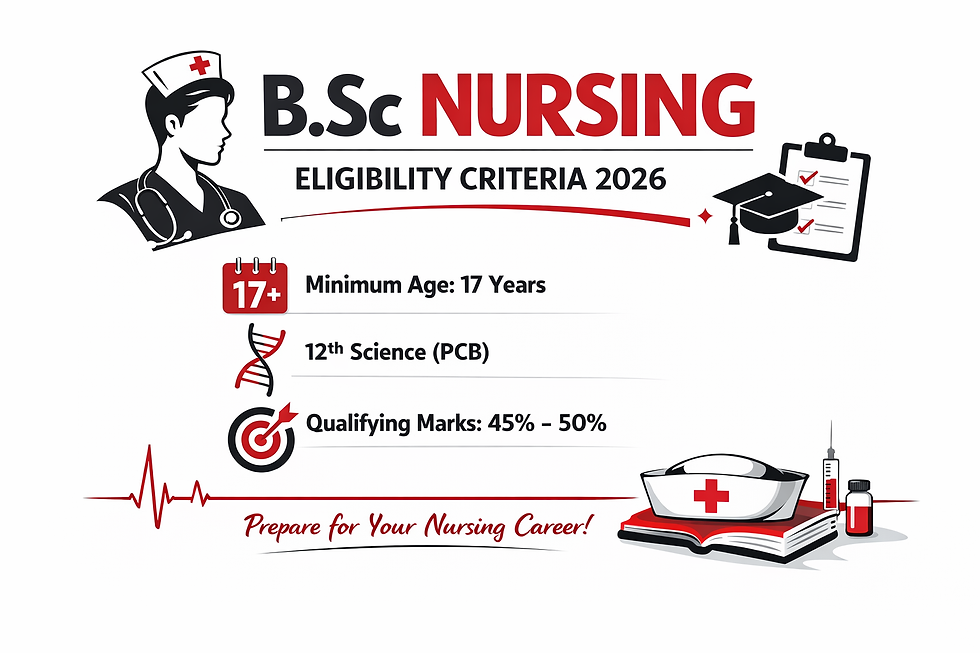
Physics, Chemistry, Biology (PCB), and English are mandatory subjects. Performance in PCB is particularly critical for admission to B.Sc. Nursing programs.
Minimum Marks:
Generally, candidates need to secure an aggregate of 45% to 50% in PCB. It's important to note that this percentage can vary significantly depending on the institution, state, and specific reservation categories. Always check the official prospectus of your target colleges.
2. Age Limit
Minimum Age:
Candidates must be at least 17 years old as of December 31, 2026. This ensures students are mature enough to handle the academic rigor and practical demands of the nursing profession.
Maximum Age:
The upper age limit is typically 35 years. However, some institutions or specific programs might have slightly different age restrictions, especially for Post-Basic B.Sc. Nursing or specialized courses.
3. Entrance Examinations
While some private colleges may offer merit-based direct admission, securing a seat in prestigious government institutions and many private universities will require clearing entrance examinations.
Central Institutes:
AIIMS:
For male candidates, AIIMS typically offers admission to its Post-Basic B.Sc. Nursing program, which requires prior GNM qualification and experience. Direct B.Sc. Nursing is primarily for female candidates. However, male nurses can compete for AIIMS Nursing Officer roles after their degree.
JIPMER:
JIPMER conducts its own entrance examination for its B.Sc. Nursing program, which is open to both male and female candidates.
State-Level Exams:
Many states conduct common entrance tests for nursing admissions. For example, Maharashtra’s MH CET is a prominent examination for entry into various health science courses, including nursing, within the state. Other states like Karnataka (KCET), Kerala (KEAM), and Uttar Pradesh (UP CNET) have their respective exams.
Private University Exams:
Many private universities and deemed universities conduct their own entrance exams or accept national/state-level scores.
Special Note on Indian Army MNS:
Traditionally, the Military Nursing Service (MNS) in the Indian Army is exclusively for female candidates. However, this does not preclude male candidates from pursuing other government nursing officer roles in various defense and paramilitary forces (e.g., CRPF, BSF) or central government hospitals (e.g., RRB, AIIMS Nursing Officer, ESIC, Indian Railways), which offer excellent career stability and benefits.
Career Scope for Male Nurses in 2026
The notion that nursing offers limited career paths is outdated. In 2026, the career scope for male nurses is expansive, diverse, and incredibly promising. Male nurses are not only breaking barriers but are also highly valued for their unique contributions, particularly in roles demanding physical stamina, specific technical skills, and high-stress management.
1. Specialized Clinical Units
Male nurses often find themselves excelling and being sought after in units where physical strength, technical aptitude, and the ability to remain calm under pressure are paramount.
Intensive Care Unit (ICU):
ICUs demand constant vigilance, quick decision-making, and often require assisting with physically demanding patient maneuvers. Male nurses are highly effective in these high-stakes environments.
Emergency/Trauma Care:
In emergency rooms, speed and the ability to handle critical, often chaotic situations are essential. Male nurses are increasingly integral to trauma teams.
Operation Theatre (OT):
Assisting surgeons, managing surgical equipment, and maintaining sterile fields in the OT are crucial roles where male nurses contribute significantly.
Psychiatric Nursing:
In mental health settings, especially with male patients, the presence of male nurses can be particularly beneficial for therapeutic rapport and de-escalation of potentially volatile situations.
Cardiology & Critical Care:
Managing complex cardiac cases and providing advanced life support requires specialized skills where male nurses thrive.
Paediatric Nursing:
While sometimes considered a "female-dominated" area, male nurses are increasingly making a positive impact in paediatric settings, often providing a different dynamic in patient care and communication with young patients and their families.
2. Industrial Nursing
With the rapid industrialization and growth of large corporate entities, the demand for on-site medical care is booming.
Corporate Factories & Construction Projects:
Companies like Reliance, Larsen & Toubro (L&T), Tata Steel, and numerous others operating in manufacturing, construction, mining, and oil & gas sectors require dedicated medical professionals. Male nurses are frequently hired for these roles to provide immediate first aid, manage occupational health, conduct health screenings, and handle emergencies for a predominantly male workforce. These roles often come with attractive salary packages and benefits.
3. Government Sector Opportunities
The government sector remains a highly attractive option for its job security, comprehensive benefits, and opportunities for career progression.
Nursing Officer Positions:
Prestigious institutions like the All India Institute of Medical Sciences (AIIMS), Employees' State Insurance Corporation (ESIC) hospitals, and Indian Railways hospitals regularly recruit nursing officers through competitive examinations.
State Health Departments:
Each state's health department (e.g., under the National Health Mission - NHM) recruits nurses for district hospitals, community health centers (CHCs), and primary health centers (PHCs).
Military and Paramilitary Forces:
Beyond the MNS, male nurses can apply for nursing roles in the Border Security Force (BSF), Central Reserve Police Force (CRPF), Indo-Tibetan Border Police (ITBP), and other armed forces units.
4. Advanced and Non-Clinical Roles
As experience grows, male nurses can transition into advanced practice or non-clinical roles, influencing healthcare policy, education, and administration.
Nurse Educator:
Teaching the next generation of nurses in colleges, universities, and training institutes.
Nurse Researcher:
Conducting studies to improve patient care outcomes, develop new nursing practices, and contribute to medical knowledge.
Nurse Administrator/Manager:
Overseeing nursing departments, managing staff, budgeting, and ensuring quality patient care in hospitals or healthcare systems.
Public Health Nurse:
Working with communities to promote health, prevent disease, and provide health education.
Informatics Nurse:
Bridging the gap between nursing and technology, managing electronic health records (EHRs), and developing healthcare IT solutions.
Salary Projections for Male Candidates in Nursing (2026)
One of the most compelling reasons to consider nursing, especially for male candidates in nursing 2026, is the increasingly attractive salary packages. Salaries vary significantly based on the sector (government vs. private), location, specialization, and crucially, years of experience. The data provided reflects current trends projected into 2026, highlighting strong growth potential.
Experience Level | Private Hospital (Monthly) | Government Sector (Monthly) |
|---|---|---|
Fresher (0–1 yr) | ₹15,000 – ₹25,000 | ₹40,000 – ₹60,000 (inc. allowances) |
Mid-Level (2–5 yrs) | ₹28,000 – ₹45,000 | ₹55,000 – ₹75,000 |
Senior (5+ yrs) | ₹50,000+ | ₹80,000 – ₹1,00,000+ |
Key Salary Insights for 2026:
Government Sector Advantage:
As seen, government sector jobs consistently offer higher starting salaries, attractive allowances (such as Dearness Allowance, House Rent Allowance, Transport Allowance), and comprehensive benefits (pension, healthcare for family) right from the fresher level. This makes them highly sought after.
Average Annual CTC:
For male staff nurses across various industries, the average annual Cost to Company (CTC) is projected to be in the range of ₹3.5 Lakhs to ₹3.9 Lakhs. This figure can be significantly higher with specialization and experience.
Private Sector Growth:
While starting salaries in private hospitals may seem lower, experienced nurses in specialized private setups (e.g., corporate hospitals, super-specialty clinics) can command excellent salaries, often exceeding government sector pay at senior levels, especially with performance-based incentives.
International Opportunities:
The demand for Indian nurses globally remains exceptionally strong. Male candidates in nursing 2026 with a B.Sc. Nursing degree, relevant experience, and international English proficiency test scores (like IELTS or OET) can secure lucrative positions abroad. Indian male nurses working in countries like the UK, USA, Canada, Australia, Ireland, and Gulf nations can realistically expect to earn anywhere from ₹20 Lakhs to ₹40 Lakhs per annum, with some highly experienced and specialized nurses earning even more. This provides an incredible opportunity for financial growth and international exposure.
Why Choose Nursing as a Male Candidate in 2026?
Beyond the promising career scope and salaries, there are several compelling reasons why more men should consider nursing:
Impactful Profession:
Nursing allows you to make a tangible difference in people's lives every single day.
Job Security:
Healthcare is a recession-proof industry with consistent demand for skilled professionals.
Professional Growth:
Endless opportunities for specialization, continuing education, and career advancement.
Respect and Recognition:
Nurses are highly respected members of the healthcare team.
Diverse Work Environments:
From hospitals to schools, industries, and homes, nursing offers varied work settings.
Team Collaboration:
Nurses work closely with doctors, therapists, and other healthcare professionals in a collaborative environment.
Challenging and Rewarding:
The profession is intellectually stimulating and offers immense personal satisfaction.
The stereotype that nursing is solely a "woman's job" is fading fast. Modern healthcare understands that a diverse workforce, including more male candidates in nursing 2026, leads to better patient outcomes and a richer work environment.
Preparing for a Successful Nursing Career in 2026
To maximize your chances of success, consider these tips:
Strong Academic Foundation:
Focus on your 10+2 science subjects, especially Biology.
Research Institutions:
Identify reputable colleges and universities that align with your career goals.
Prepare for Entrance Exams:
Start preparing early for state or national-level entrance tests.
Develop Soft Skills:
Communication, empathy, critical thinking, and teamwork are crucial for nurses.
Seek Internships/Volunteer Opportunities:
Gain exposure to healthcare settings to confirm your interest and build experience.
Network:
Connect with current nursing students and professionals to gain insights.
Conclusion
The future of nursing is inclusive, diverse, and bright. For male candidates in nursing 2026, the profession offers not just a job, but a vocation filled with purpose, respect, and unparalleled opportunities for growth. The stereotypes are fading, replaced by a recognition of talent, dedication, and the invaluable contributions that men bring to healthcare. If you possess a passion for care, a strong mind, and a compassionate heart, then a career in nursing awaits you. Embrace this evolving landscape and become a part of the next generation of healthcare heroes.
Frequently Asked Questions
Is nursing a good career choice for male candidates in 2026?
Absolutely! Nursing is a highly rewarding, stable, and growing profession. For male candidates in nursing 2026, there are abundant opportunities in diverse specializations, promising career progression, and competitive salaries, both in India and internationally. The field actively seeks and values male nurses.
What are the primary eligibility criteria for male nurses in 2026?
You typically need to have completed 10+2 with Physics, Chemistry, Biology, and English, with an aggregate of 45-50% in PCB. The minimum age is 17 years as of December 31, 2026, and the maximum is usually 35 years. Entrance exams are often required for admission to good institutions.
Which specializations are particularly suitable for male nurses?
Male nurses often excel in physically demanding and high-stress units such as ICU, Emergency/Trauma Care, Operation Theatre, and Psychiatric Nursing. Industrial nursing in corporate factories and construction sites also offers excellent prospects.
What is the expected salary for a fresher male nurse in a government hospital in 2026?
A fresher male nurse in a government sector hospital in 2026 can expect to earn between ₹40,000 to ₹60,000 per month, including various allowances.
Can male nurses work abroad, and what are the salary prospects?
Yes, Indian male nurses are highly sought after globally. With a B.Sc. Nursing degree and relevant qualifications, you can work in countries like the UK, USA, Canada, and Australia, earning ₹20 Lakhs to ₹40 Lakhs per annum or more.
Are there any government nursing officer roles for male candidates in India?
Yes, male candidates can apply for Nursing Officer positions in AIIMS, ESIC hospitals, Indian Railways, state health departments, and various paramilitary forces (e.g., BSF, CRPF).


Comments