Everything New Parents Need to Know: A Comprehensive Baby Care Guide Analysis for 2026
- Jul 23
- 4 min read
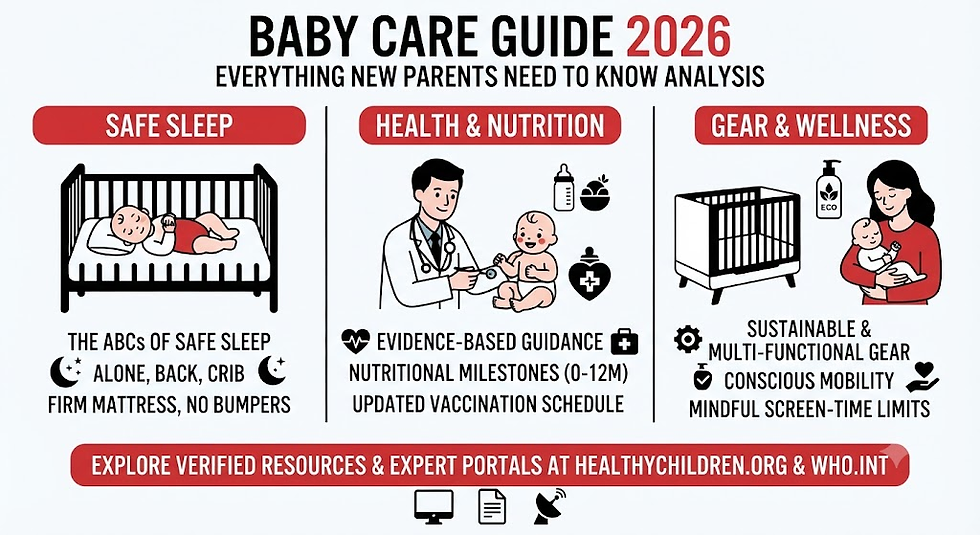
Welcoming a newborn into the world is one of life’s most profound milestones, but it can equally feel like navigating uncharted territory. As modern parenting evolves, staying informed with current, evidence-based practices is essential for giving your child the healthiest start in life. Modern families face unique choices, ranging from updated pediatric safety standards to eco-friendly, sustainable gear and digital wellness.
A thorough Baby Care Guide Analysis helps cut through the noise, providing modern parents with actionable, expert-backed insights tailored to current child-rearing standards. This guide covers everything from safe sleep environments and nutrition to modern gear trends and developmental milestones.
Modern Safe Sleep Standards and Nursery Safety
Ensuring a secure sleep environment is one of the most critical responsibilities for new parents. Pediatric safety organizations continue to emphasize core prevention strategies to eliminate sleep-related hazards and reduce the risk of Sudden Infant Death Syndrome (SIDS).
The ABCs of Safe Sleep
Alone: Infants should always sleep in their own designated space without any pillows, stuffed animals, loose blankets, or bumper pads.
On Their Back: Every single sleep—whether for a daytime nap or nighttime rest—must take place with the baby positioned squarely on their back.
In a Crib or Bassinet: The sleep surface must feature a firm mattress covered strictly by a tightly fitted sheet. Avoid inclined sleepers, soft couches, and adult beds.
Maintaining optimal room temperatures between 68°F and 72°F (20°C to 22°C) and dressing infants in wearable blankets or sleep sacks instead of loose covers helps maintain a safe thermal environment. Room-sharing—where the baby sleeps in a separate crib or bassinet in the parent's room for the first 6 to 12 months—is strongly recommended for convenient monitoring without the hazards of bed-sharing.
Infant Nutrition, Immunization, and Preventive Healthcare
Navigating feeding choices and medical schedules requires close collaboration with pediatric healthcare providers. Modern nutritional guidance supports foundational growth while medical protocols prioritize robust immunological defense.
Feeding and Nutritional Milestones
Exclusive Breastfeeding: Major health organizations recommend exclusive breastfeeding for approximately the first 6 months of life, followed by continued breastfeeding alongside nutrient-dense complementary foods for 2 years and beyond as mutually desired.
Formula Feeding: For families utilizing formula, choosing iron-fortified options that meet strict national safety regulations ensures proper physical and cognitive development.
Introduction of Solids: Around 6 months of age, infants are typically ready to explore purees and soft finger foods, helping develop oral motor skills and preventing potential food allergies through early, systematic exposure.
Immunization Schedules and Wellness Visits
Adhering to evidence-based immunization guidelines protects infants from dangerous, vaccine-preventable illnesses such as RSV, rotavirus, pertussis, and measles. Well-child visits scheduled during the first year track physical growth, developmental milestones, and neurological progress, ensuring early intervention if any concerns arise.
Sustainable Gear, Smart Travel, and Multi-Functional Products
The market for infant products has shifted dramatically toward longevity, sustainability, and minimal environmental impact. Rather than purchasing single-use items, modern parents are heavily investing in multi-stage gear that adapts as the child grows.
Top Product and Gear Trends
Grow-With-Baby Furniture: Convertible cribs that transition into toddler beds and high chairs that later transform into study desks or booster seats provide exceptional long-term value and reduce household clutter.
Conscious Mobility: Lightweight, durable travel systems featuring compact one-hand folds and robust suspension systems allow families to navigate urban landscapes and rough terrain effortlessly.
Skin-Microbiome and Clean Care: With infant skin being exceptionally thin and sensitive, parents are increasingly choosing plant-based, pH-balanced washes, organic cotton textiles, and fragrance-free mineral wipes to protect natural skin barriers.
Detailed Baby Care Guide Analysis
A comprehensive Baby Care Guide Analysis emphasizes that successful parenting is less about perfection and more about responsive, mindful caregiving. Balancing modern conveniences—such as digital health monitors and convertible furniture—with timeless practices like skin-to-skin contact, active floor play, and open communication creates a nurturing household. Furthermore, experts encourage an intentional approach to screen time, emphasizing real-world sensory interactions, outdoor exploration, and device-free zones (such as bedrooms and mealtimes) to support optimal early childhood development.
Frequently Asked Questions (FAQ)
Q: What are the core components highlighted in a modern Baby Care Guide Analysis?
A: A comprehensive Baby Care Guide Analysis highlights essential safety protocols like ABC safe sleep rules, up-to-date pediatric immunization schedules, multi-functional sustainable gear trends, and mindful screen-time boundaries for early childhood development.
Q: Is it safe for a newborn to sleep on their side or stomach?
A: No. Newborns should never sleep on their side or stomach. The safest sleep position is flat on their back for every nap and nighttime sleep to minimize the risk of SIDS and airway obstruction.
Q: When should solid foods be introduced to an infant?
A: According to pediatric guidelines, solid foods are typically introduced around 6 months of age when the baby shows signs of developmental readiness, such as sitting up with minimal support and showing an interest in food.
Q: How can parents balance modern technology with healthy infant development?
A: Parents can maintain balance by prioritizing high-quality, interactive play, keeping bedrooms and mealtimes completely screen-free, and focusing on real-world sensory experiences rather than passive digital media consumption.
Explore Verified Resources and Expert Portals
To deepen your parenting knowledge and review official health and safety standards, visit these trusted platforms:
Read Expert Parenting Articles on HealthyChildren.org – Explore evidence-based guidance on child health, safety, and nutrition directly from the American Academy of Pediatrics.
Access Family Health Guidance via the World Health Organization – Review global recommendations regarding infant feeding, immunization, and early childhood development.
Discover Safe Sleep Campaigns at NICHD – Learn practical strategies and research updates dedicated to reducing SIDS and creating safe nursery environments.



Comments