Middle East Conflict Explained: What It Means for India, Oil Prices, and Global Stability
- Mar 7
- 3 min read

Introduction
The Middle East Conflict has once again become a major global concern. With rising geopolitical tensions involving countries such as Iran, Israel, Saudi Arabia, and others, the situation is impacting international trade, energy markets, and global diplomacy.
For countries like India, the conflict is not just a distant geopolitical issue. It directly affects oil prices, trade routes, and economic stability.
In this article, we provide a detailed Middle East conflict explained guide covering:
Causes of the conflict
Impact on India
Rising oil prices
Global economic risks
Possible future scenarios
What Is the Middle East Conflict?
The Middle East conflict refers to ongoing geopolitical tensions and military confrontations between several nations and political groups in the region.
Some key flashpoints include:
Gaza Strip
West Bank
Red Sea
Persian Gulf
Major global powers such as the United States, Russia, and China are also closely monitoring the situation due to its impact on global stability.
The conflict often revolves around:
Territorial disputes
Religious tensions
Control of oil resources
Strategic military influence
Middle East Conflict Explained: Why Oil Prices Are Rising
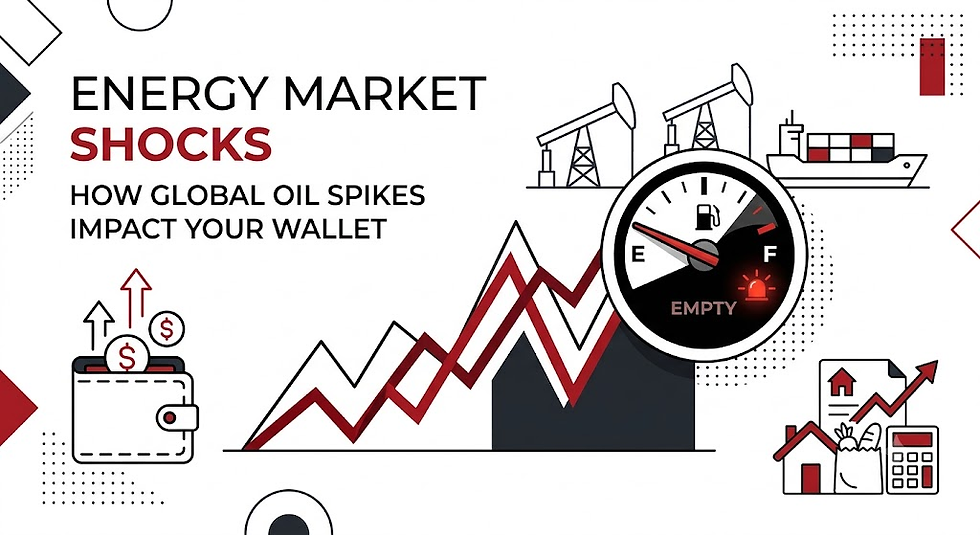
One of the biggest global effects of the Middle East conflict is the surge in oil prices.
The region produces nearly 30% of the world's oil supply, making it extremely sensitive to political instability.
Key reasons oil prices rise during conflict:
Risk of supply disruptions
Shipping route insecurity
Sanctions on oil-producing nations
Panic buying in global markets
Important shipping routes like the Strait of Hormuz are crucial for global oil transport. Any threat to these routes can instantly push oil prices higher.
For oil-importing countries like India, this creates significant economic pressure.
How the Middle East Conflict Affects India
India has strong economic and strategic ties with many Middle Eastern nations.
The Middle East conflict explained from India’s perspective shows several major concerns.
1. Rising Fuel Prices
India imports nearly 85% of its crude oil, and a large portion comes from the Middle East.
When conflict escalates:
Petrol prices increase
Diesel costs rise
Transportation becomes expensive
This eventually leads to inflation across the economy.
2. Impact on Indian Workers in the Middle East
Millions of Indians work in countries like:
United Arab Emirates
Qatar
Kuwait
Saudi Arabia
These workers send billions of dollars in remittances back to India each year.
If conflict spreads, their safety and employment could be at risk.
3. Trade and Shipping Risks
Major global trade routes pass through the Middle East.
Important sea routes include:
Red Sea
Suez Canal
Arabian Sea
Disruptions in these routes could delay imports and exports for India.
Global Economic Impact of the Middle East Conflict
The Middle East conflict explained in global economic terms shows far-reaching consequences.
Possible global effects
Global oil price spikes
Stock market volatility
Higher inflation worldwide
Supply chain disruptions
Increased defense spending
Many analysts warn that prolonged instability could slow global economic growth.
Could the Conflict Trigger a Larger Global Crisis?
Experts say the conflict could escalate if more nations become directly involved.
Key risk factors include:
Military alliances
Regional proxy wars
Global power competition
However, diplomatic efforts led by international organizations like the United Nations aim to prevent escalation.
Future Outlook
While predicting geopolitical conflicts is difficult, several outcomes are possible:
Scenario 1: Diplomatic negotiations reduce tensions.
Scenario 2: Limited regional conflict continues.
Scenario 3: Wider geopolitical confrontation affecting global markets.
Most experts believe that international diplomacy will play a key role in preventing a larger crisis.
Conclusion
The Middle East conflict explained in simple terms shows how interconnected our world has become. A conflict thousands of kilometers away can still influence fuel prices, economic stability, and global politics.
For India, the stakes are particularly high due to energy dependence and strong economic ties with the region.
As global leaders work toward diplomatic solutions, the world continues to watch closely.
Understanding the Middle East conflict explained helps citizens and policymakers prepare for its economic and geopolitical impact.


Comments