Middle East Crisis 2026: How the Middle East Conflict Could Transform the Global Economy
- Mar 7
- 3 min read

Introduction
The Middle East Crisis 2026 is rapidly becoming one of the most discussed geopolitical events in the world. Ongoing tensions in the region are affecting global oil markets, international trade routes, stock markets, and economic stability.
Because the Middle East controls a large portion of the world's oil supply and strategic shipping routes, any conflict in the region has the potential to trigger major economic consequences worldwide.
In this article, we will analyze how the Middle East Crisis 2026 could reshape the global economy and what it means for countries like India, Europe, and the United States.
Why the Middle East Crisis 2026 Matters for the Global Economy
The Middle East is one of the most strategically important regions in the world. It controls key resources and trade routes that support global economic growth.
Several factors make the Middle East Crisis 2026 extremely significant:
• The region produces nearly one-third of the world's oil• Major shipping routes like the Strait of Hormuz pass through the region• Many global economies depend on Middle Eastern energy exports
When tensions rise, markets immediately react.
Oil prices increase, shipping becomes expensive, and investors move their money to safer assets like gold.
Oil Prices and Energy Markets During the Middle East Crisis 2026
Oil markets are the first to react to geopolitical instability.
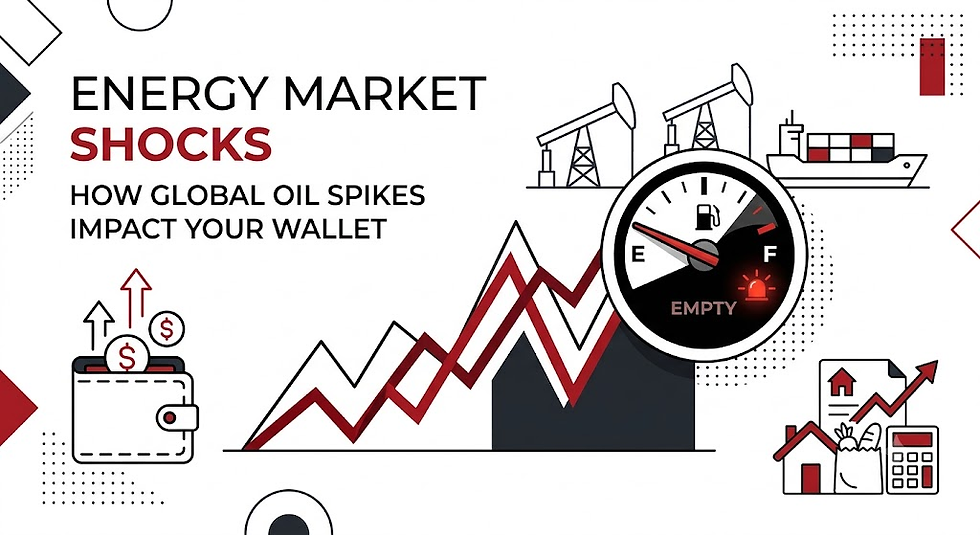
If the Middle East Crisis 2026 disrupts oil production or transportation, prices could rise sharply. Higher oil prices affect every country because energy is used in transportation, manufacturing, and electricity production.
Possible economic impacts include:
• Increased fuel prices• Higher inflation worldwide• Rising transportation costs• Pressure on developing economies
Countries that import large amounts of oil may face economic slowdowns if the crisis continues.
Global Trade and Supply Chain Disruptions
Another major concern related to the Middle East Crisis 2026 is disruption to global trade routes.
The Middle East connects Asia, Europe, and Africa through some of the world's most important shipping lanes.
If conflict spreads, shipping companies may avoid certain routes due to safety concerns. This could cause:
• Delays in international shipping• Increased logistics costs• Shortages of essential goods• Higher consumer prices
Global supply chains are still recovering from recent disruptions, and another crisis could further strain international trade.
Impact of the Middle East Crisis 2026 on India
India is one of the largest energy importers in the world, making the Middle East Crisis 2026 particularly important for the Indian economy.
Possible effects on India include:
Higher fuel pricesIncreased inflationPressure on the Indian rupeeHigher import costs
However, India may also benefit in some areas if global investors shift funds toward emerging markets that remain stable.
Financial Markets and Investor Reactions
Global financial markets react quickly to geopolitical uncertainty.
The Middle East Crisis 2026 has already increased volatility in stock markets as investors become cautious.
Common market reactions include:
• Stock market fluctuations• Rising gold prices• Increased demand for safe-haven assets• Currency volatility
Central banks may also adjust interest rates if inflation rises due to energy price shocks.
Could the Middle East Crisis 2026 Trigger a Global Economic Slowdown?
While not every geopolitical conflict causes a global recession, large-scale instability can slow economic growth.
The biggest risk factors include:
• Long-term oil supply disruptions• Escalation into wider regional conflict• Trade route closures• Global investor uncertainty
If multiple economic pressures occur at the same time, the Middle East Crisis 2026 could contribute to a broader economic slowdown.
What Countries and Businesses Can Do
Governments and companies can take several steps to reduce the economic impact of geopolitical crises.
Some strategies include:
• Diversifying energy sources• Strengthening supply chains• Increasing strategic oil reserves• Expanding renewable energy investments
These measures help reduce dependence on unstable regions.
Conclusion
The Middle East Crisis 2026 is more than a regional conflict. Its economic consequences could spread across global markets, energy prices, and international trade.
For countries like India and many others that rely heavily on imported energy, understanding the potential economic impact is essential.
While the future of the crisis remains uncertain, its influence on the global economy will likely continue to shape financial markets and government policies throughout 2026.


Comments