Paid vs Free Summer Programs: Which Is Better for Undergraduate Admissions in 2026?
- Jan 12
- 4 min read
Updated: Jan 14

Paid vs free summer programs is a common question for students planning their undergraduate admissions. Many students and parents assume that paid programs are automatically better, while free programs may not carry much value. This assumption is not always correct.
Universities do not judge summer programs based on their price. Instead, they focus on what the student learned, contributed, and gained from the experience. This blog explains the difference between paid and free summer programs, how universities evaluate them, and which option is better for UG admissions in 2026.
Choosing Summer Programs Based on Impact and Cost:
Point | Details |
Topic | Paid vs Free Summer Programs |
Purpose | UG admissions & profile building |
Cost | Free to high-cost |
Evaluation | Impact-based |
Accepted by | Global universities |
Relevant year | UG Admissions 2026 |
What Are Summer Programs?
Summer programs are short-term academic or experiential programs students
attend during school breaks.
They may include:
Academic courses
Research exposure
Internships
Skill-based learning
Community projects
Universities view summer programs as evidence of initiative and interest beyond
the classroom.
Understanding Paid Summer Programs
Paid summer programs require students to pay a fee to participate. These programs are often hosted by universities, institutions, or private organizations.
Common Features of Paid Programs
Paid programs usually offer:
Structured curriculum
Faculty-led sessions
Certificates or transcripts
Access to campus facilities
Fixed schedules
Some are residential, while others are online.
Advantages of Paid Summer Programs
Paid programs can offer certain benefits when chosen carefully.
They may provide:
Exposure to university-style learning
Access to labs or resources
Networking with peers
Introduction to academic disciplines
Well-designed paid programs can support subject exploration.
Limitations of Paid Summer Programs
However, paid programs also have limitations.
Common issues include:
Limited selectivity
High cost without guaranteed value
Passive learning formats
Certificate-focused participation
Universities are aware that payment does not equal merit.
Understanding Free Summer Programs
Free summer programs are usually competitive and selective. These programs are often funded by governments, universities, or non-profit organizations.
They focus on:
Merit
Need-based access
Skill development
Real-world impact
Free programs often require applications, essays, or interviews.
Advantages of Free Summer Programs
Free programs often carry strong value for UG admissions.
They show:
Academic merit
Initiative and effort
Competitive selection
Genuine interest
Universities appreciate students who earn opportunities through selection.
Limitations of Free Summer Programs
Free programs also have challenges.
These may include:
Limited seats
High competition
Less flexibility in topics
Fixed eligibility criteria
Not all students can access them easily.
How Universities Evaluate Summer Programs
Universities do not rank programs by price.
They focus on:
What the student did
Skills gained
Learning outcomes
Initiative shown
Relevance to major
A meaningful free program often carries more weight than an expensive but passive paid one.
Paid vs Free Summer Programs: What Matters More?
The key difference lies in impact, not cost.
Universities ask:
Was the student actively involved?
Did they learn something meaningful?
Did it align with their academic goals?
Programs that answer “yes” to these questions are valued.
Role of Selectivity in Admissions Evaluation
Selectivity matters more than branding.
Highly selective free programs show:
Academic readiness
Motivation
Problem-solving skills
Paid programs with no selection process carry less weight.
Learning vs Certification: A Critical Difference
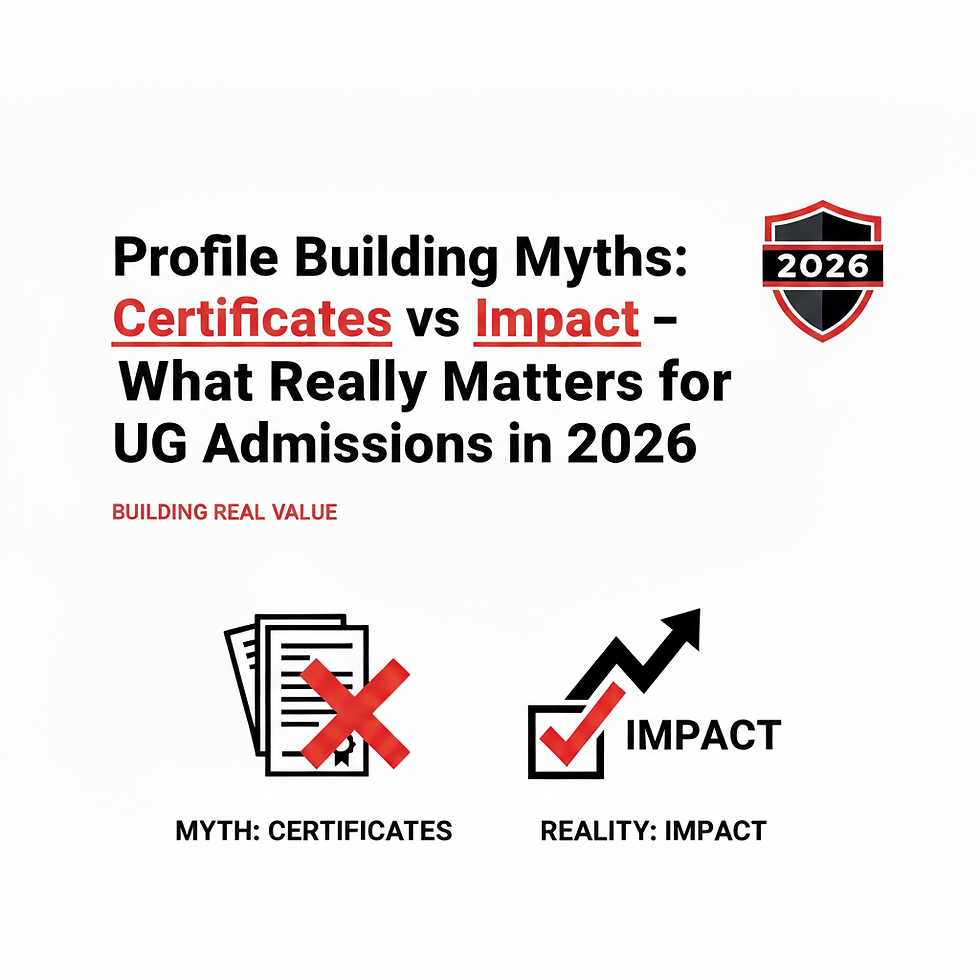
Certificates alone do not impress universities.
Admissions teams value:
Learning depth
Skill application
Reflection and growth
A free project-based program often demonstrates stronger learning than a paid lecture-based one.
When Paid Summer Programs Make Sense
Paid programs can be useful in certain cases.
They work well when:
They offer hands-on learning
Faculty interaction is strong
Outcomes are measurable
The student actively engages
Choosing wisely is essential.
When Free Summer Programs Are Better
Free programs are ideal when:
They are selective
They involve real work
Students contribute meaningfully
Skills are developed
They often align well with holistic admissions.
Impact on Profile Building
Both paid and free programs contribute to profile building if used correctly.
Strong profiles show:
Consistency of interest
Skill progression
Academic curiosity
Personal initiative
Price does not define profile strength.
Country-Wise Evaluation of Summer Programs
United States
US universities use holistic review. They value impact, leadership, and learning
over cost.
United Kingdom
UK universities focus on subject relevance and academic readiness.
Canada
Canadian universities value skill-building and academic consistency.
Europe
European universities emphasize relevance and preparation for the chosen
course.
Common Myths About Paid and Free Programs
Many students believe:
Paid programs guarantee admission
Free programs are low quality
Certificates matter most
These myths can mislead decision-making.
How to Choose Between Paid and Free Summer Programs
Students should ask:
What will I learn?
How selective is the program?
Does it align with my goals?
Will I be actively involved?
These questions matter more than cost.
Role of Summer Programs in UG Admissions 2026
In 2026, universities emphasize:
Skill-based learning
Authentic experiences
Self-driven initiatives
Both paid and free programs can support applications if used strategically.
Frequently Asked Questions (FAQs)
1) Paid vs free summer programs – which is better for UG admissions?
Impact and learning matter more than cost.
2) Do universities prefer paid programs?
No, they prefer meaningful experiences.
3) Are free programs more valuable?
Often yes, due to selectivity.
4) Do certificates help in admissions?
Only when backed by learning and impact.
5) Can paid programs still help?
Yes, if they involve active engagement.
6) Are online summer programs acceptable?
Yes, if they show skill development.
7) How many summer programs should a student do?
Quality matters more than quantity.
8) Do summer programs guarantee admission?
No, they only strengthen profiles.
Final Takeaway:
Paid vs free summer programs is not about money but about value. Universities focus on learning, initiative, and impact when evaluating summer experiences.
Free programs often show merit and selectivity, while paid programs can still help if chosen carefully and used actively. Students should prioritize growth and
relevance over cost when preparing for UG admissions in 2026.
Planning your summer strategically?
Focus on:
Learning outcomes
Skill development
Academic alignment
Genuine interest
Official & Neutral Resources:
Choose programs that build real value, not just certificates.


Comments