Petrol Prices in India vs. Other Countries: A Global Petrol Price Comparison 2026
- Mar 27
- 5 min read

The global energy landscape in 2026 has been anything but stable. As of March 27, 2026, the world is grappling with a significant energy crisis triggered by escalating geopolitical tensions in West Asia and the intermittent blockade of the Strait of Hormuz. For the common Indian consumer, the "price at the pump" has become a daily barometer of global stability and domestic policy.
In this comprehensive Global Petrol Price Comparison 2026, we analyze how India’s fuel rates stack up against the rest of the world. While global crude prices have touched staggering highs of $120 per barrel earlier this month, the Indian government’s recent intervention has created a unique pricing bubble. This blog explores the data, the taxes, and the geopolitical factors driving petrol prices today.
The Indian Context: Petrol Prices in March 2026
As of today, March 27, 2026, petrol prices across India show a stark regional divide, largely driven by varying State Value Added Tax (VAT) rates. Despite the global volatility, the Central Government’s decision on March 26 to slash the Special Additional Excise Duty has kept retail prices relatively steady compared to the chaos seen in neighboring nations.
City-wise Petrol Prices in India (March 27, 2026)
City | Petrol Price (per Litre) | Diesel Price (per Litre) |
New Delhi | ₹94.77 | ₹87.67 |
Mumbai | ₹103.54 | ₹92.15 |
Kolkata | ₹105.41 | ₹90.76 |
Chennai | ₹100.90 | ₹92.49 |
Hyderabad | ₹107.46 | ₹95.70 |
Bengaluru | ₹102.92 | ₹88.99 |
The $10 Excise Duty Cut: In a landmark move yesterday, the Ministry of Finance reduced the special excise duty on petrol from ₹13 to ₹3 per litre. While this didn't necessarily result in a price drop for consumers, it allowed Oil Marketing Companies (OMCs) to absorb the massive losses they were incurring due to Brent crude trading above $100 per barrel. Without this cut, experts estimate petrol in Delhi would have easily breached the ₹120 mark.
Global Petrol Price Comparison 2026: India vs. The World
To understand India’s position, we must look at the global average. As of late March 2026, the average price of petrol worldwide stands at approximately $1.41 per litre (roughly ₹132.68). India’s average price of $1.08 per litre (₹101.15) actually places it below the global average, a surprising fact for many Indian motorists.
Global Price Breakdown (USD per Litre)
Country | Petrol Price (USD/L) | Price in INR (approx.) |
Venezuela | $0.02 | ₹1.88 |
Saudi Arabia | $0.62 | ₹58.34 |
Russia | $0.83 | ₹78.10 |
USA | $1.13 | ₹106.33 |
China | $1.34 | ₹126.09 |
India | $1.08 | ₹101.15 |
UK | $1.93 | ₹181.61 |
Germany | $2.40 | ₹225.84 |
Hong Kong | $3.25 | ₹305.82 |
Why the Massive Disparity?
The Global Petrol Price Comparison 2026 highlights a fundamental rule of energy economics: oil-producing nations (like Saudi Arabia and Russia) and those with heavy subsidies (like Venezuela) enjoy the lowest prices. In contrast, developed European nations like Germany and the UK use high fuel taxes to fund social infrastructure and discourage carbon emissions, leading to prices nearly double those of India.
Deep Dive: India vs. South Asian Neighbors
The 2026 West Asia conflict has hit South Asia particularly hard. Unlike India, which has significant strategic reserves and a diversified import basket (including discounted Russian crude and new contracts with Guyana), neighboring countries have faced severe supply shocks.
Pakistan: Petrol prices in Pakistan have surged to $1.51 per litre (approx. ₹142). Following a 21% hike earlier this month, the country is facing its worst energy crisis in years, with fuel rationing reported in several provinces.
Sri Lanka: Rebounding from its previous economic collapse, Sri Lanka has seen prices rise to $1.45 per litre. The reliance on spot market purchases makes the island nation highly vulnerable to the current $100+ Brent crude environment.
Bangladesh: Standing as an outlier, Bangladesh has managed to keep prices at $0.98 per litre, slightly lower than India, thanks to long-term bilateral supply agreements that bypassed the recent price spikes in the open market.
Factors Influencing Petrol Prices in 2026
Understanding the Global Petrol Price Comparison 2026 requires looking at the "hidden" factors that determine the final bill at the petrol pump.
1. The Geopolitical "Risk Premium"
The primary driver of 2026 prices is the conflict involving the US, Israel, and Iran. The threat to the Strait of Hormuz—through which 20% of global oil flows—has added an estimated $18-per-barrel "geopolitical risk premium" to oil prices. Even when supply is physically available, the cost of insurance for tankers has tripled, a cost that is inevitably passed down to the consumer.
2. The Rupee-Dollar Exchange Rate
In March 2026, the Indian Rupee fell below the ₹94 mark against the US Dollar for the first time. Since India imports nearly 88% of its crude oil, every cent the Rupee loses makes petrol more expensive. The current stability in Indian petrol prices is largely due to the government's willingness to sacrifice tax revenue to prevent an inflationary spiral.
3. The Indian Tax Structure: Excise vs. VAT
As of March 2026, the price of a litre of petrol in a city like Delhi is composed of:
Base Price: ₹55.40
Central Excise Duty: ₹11.90 (Reduced from ₹21.90)
Dealer Commission: ₹4.10
State VAT: ₹23.37 (Approx. 19.4% in Delhi)
Total: ₹94.77
The Role of Alternative Fuels and EVs in 2026
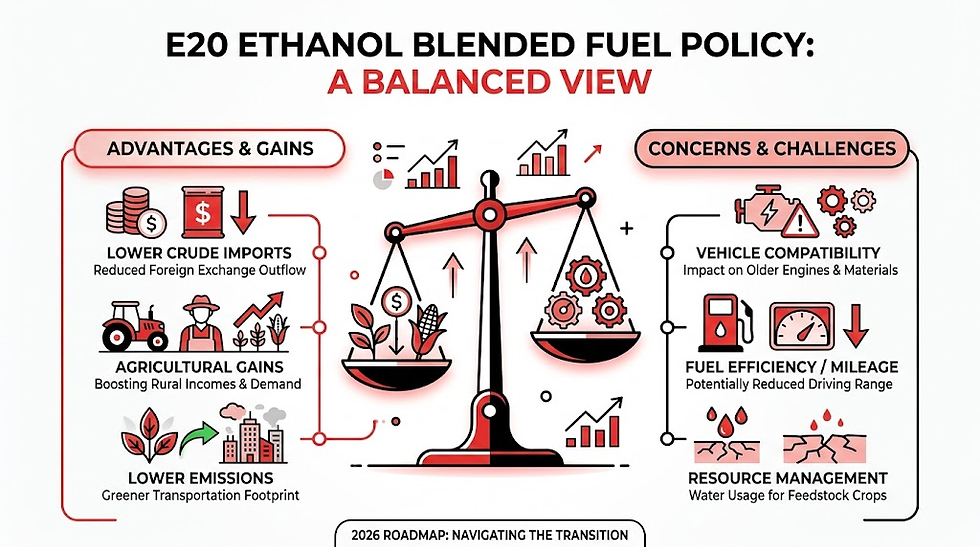
One reason India has been able to manage the 2026 crisis better than in previous decades is the success of the Ethanol Blending Program. In 2026, India successfully reached a 25% ethanol blending target (E25) nationwide. This has reduced the country's crude oil import bill by an estimated $6 billion annually, providing a crucial buffer during global supply disruptions.
Furthermore, the mass adoption of Electric Vehicles (EVs) in the two-wheeler and commercial segments has plateaued the demand growth for petrol. With over 30% of new vehicle registrations in major Indian metros being electric in 2026, the "elasticity" of petrol demand has changed, giving the government more leverage in pricing strategies.
FAQ: Understanding the Global Petrol Price Comparison 2026
Q1: Why is petrol cheaper in the USA than in India?
A: Despite being a developed nation, the USA is one of the world’s largest oil producers. Low federal taxes on gasoline compared to India's combined Excise and VAT structure allow American consumers to pay less at the pump. In our Global Petrol Price Comparison 2026, the US price stands at $1.13/L vs India’s $1.08/L, making them quite comparable this year due to the recent Indian tax cuts.
Q2: Will petrol prices in India decrease if the West Asia conflict ends?
A: Historically, petrol prices are "sticky" downwards. While a resolution to the conflict would lower Brent crude prices, OMCs in India would likely use the lower costs to recoup the massive losses they are currently absorbing before passing the benefit to consumers.
Q3: Why does petrol price vary so much between Mumbai and Delhi?
A: The difference is primarily due to State VAT. Maharashtra (Mumbai) imposes one of the highest VAT rates in the country, whereas Delhi’s VAT is relatively lower. Transportation costs from refineries to the retail outlets also add a minor variation.
Q4: Is India still buying discounted Russian oil in 2026?
A: Yes, but the discounts have narrowed significantly compared to 2023-2024. India now uses a "multi-origin" strategy, sourcing heavily from Brazil, Guyana, and domestic offshore fields to reduce reliance on the volatile Middle Eastern corridor.
Conclusion: Navigating the 2026 Energy Shift
The Global Petrol Price Comparison 2026 reveals that while India faces high prices, it is currently shielded from the extreme volatility seen in Europe or the supply crises in other South Asian nations. The government's tactical use of excise duty cuts and the long-term push toward E25 blending and EV adoption have created a resilient, if expensive, energy ecosystem.
As we move into the second half of 2026, the trajectory of petrol prices will depend entirely on the duration of the Strait of Hormuz disruptions and the stability of the Rupee. For now, Indian consumers are paying a "stability premium"—a price that is high, but predictable.
Stay Updated on Energy Trends
Fuel prices change daily. Stay ahead of the curve with these real-time resources:
Check Live City-wise Fuel Prices: Indian Oil Fuel Tracker
Global Energy Market Analysis: International Energy Agency (IEA)
Ministry of Petroleum & Natural Gas Updates: Official MoPNG Portal


Comments