Strait of Hormuz Crisis 2026: Iran Conflict, Oil Supply Risk & Global Economic Impact Explained

Introduction
The Strait of Hormuz crisis has become one of the most critical geopolitical flashpoints in 2026. Positioned between Iran and Oman, this narrow waterway controls a massive share of the world's oil supply. Any escalation in the Iran conflict threatens global trade, fuel prices, and economic stability.
In this article, we break down why the Strait of Hormuz matters, how oil supply risks are evolving, and what it means for the global economy.
What is the Strait of Hormuz?
The Strait of Hormuz is a narrow passage connecting the Persian Gulf to the Arabian Sea.
Only about 33 km wide at its narrowest point
Handles nearly 20% of global oil shipments
Critical for exports from countries like Saudi Arabia, Iraq, and United Arab Emirates
This makes the Strait of Hormuz crisis a global concern, not just a regional issue.
Strait of Hormuz Crisis: Iran Conflict Explained
Tensions involving Iran have escalated due to:
Military presence in the Persian Gulf
Sanctions impacting oil exports
Threats to block the Strait
Iran has repeatedly warned it could restrict passage if geopolitical pressure increases. This has led to heightened military monitoring by global powers, including the United States.
Oil Supply Risk in the Strait of Hormuz Crisis
How Much Oil Passes Through?
Around 17–20 million barrels per day
Major exporters depend heavily on this route
What Happens if Supply is Disrupted?
If the Strait of Hormuz crisis intensifies:
Oil prices could spike above $120 per barrel
Supply shortages may hit Asia and Europe
Shipping insurance costs will surge
Countries like India and China are especially vulnerable due to heavy oil imports.
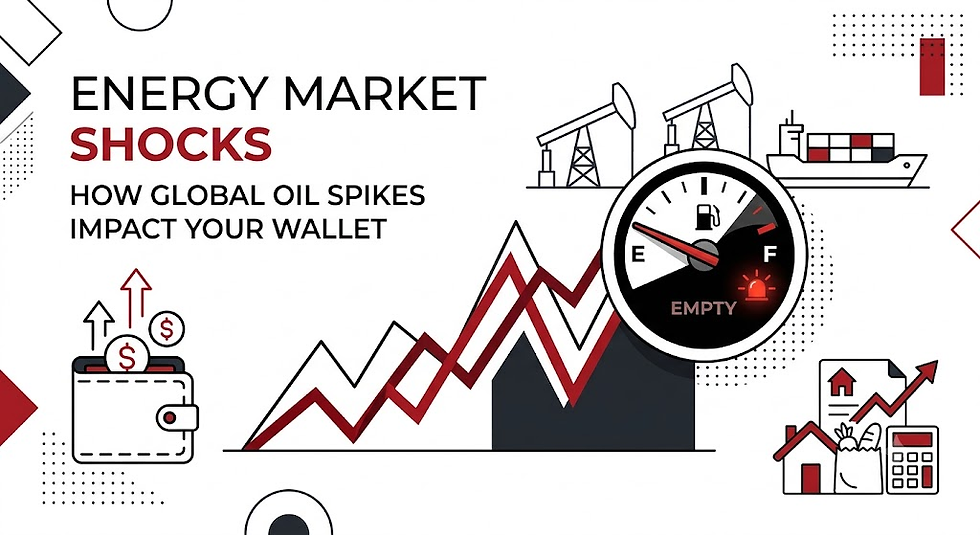
Global Economic Impact of the Strait of Hormuz Crisis
The Strait of Hormuz crisis directly impacts the global economy in multiple ways:
1. Rising Fuel Prices
Higher crude oil costs lead to increased petrol and diesel prices globally.
2. Inflation Surge
Transport and manufacturing costs rise, pushing inflation upward.
3. Stock Market Volatility
Energy-dependent sectors face uncertainty, affecting indices worldwide.
4. Trade Disruptions
Shipping delays impact global supply chains, including food and electronics.
Why the Strait of Hormuz Matters More in 2026
The importance of the Strait of Hormuz crisis has grown due to:
Increasing global energy demand
Ongoing geopolitical tensions
Limited alternative shipping routes
Even a temporary disruption can have long-lasting consequences.
Can the World Avoid the Strait of Hormuz?
Some alternatives exist but are limited:
Pipeline routes bypassing the Strait
Strategic petroleum reserves
Renewable energy transition
However, none can fully replace the Strait’s capacity in the short term.
Future Outlook of the Strait of Hormuz Crisis
Experts predict:
Continued geopolitical tension
Increased naval security presence
Gradual diversification of energy sources
The Strait of Hormuz crisis will remain a key factor influencing global markets in the coming years.
Conclusion
The Strait of Hormuz crisis is not just a regional conflict—it is a global economic threat. From oil supply risks to inflation and trade disruptions, its impact is far-reaching.
Understanding this crisis helps governments, businesses, and individuals prepare for potential economic shocks.
CTA (Actual Links)
Learn more about global oil markets: https://www.iea.org
Track live oil prices: https://www.investing.com/commodities/crude-oil
Follow geopolitical updates: https://www.aljazeera.com


Comments