Why LPG Gas Is Getting Expensive in India: Complete 2026 Analysis
- Mar 11
- 3 min read

Introduction
Liquefied Petroleum Gas (LPG) is one of the most essential household fuels used by millions of families across India. In recent years, LPG cylinder prices have steadily increased, creating financial pressure on households and small businesses. Many consumers are now asking an important question: why LPG gas is getting expensive in India in 2026.
Understanding the reasons behind LPG price increases requires analyzing several factors such as international crude oil prices, import dependency, government subsidy changes, currency fluctuations, and supply chain costs. India imports a large portion of its LPG requirements, which means global energy market trends directly affect domestic prices.
This article provides a complete 2026 analysis of LPG price rise in India, including the key reasons behind the increase, how government policies influence pricing, and what consumers can expect in the coming years.
Why LPG Gas Is Getting Expensive in India
The question why LPG gas is getting expensive in India can be explained through multiple economic and policy factors.
1. Increase in Global Crude Oil Prices
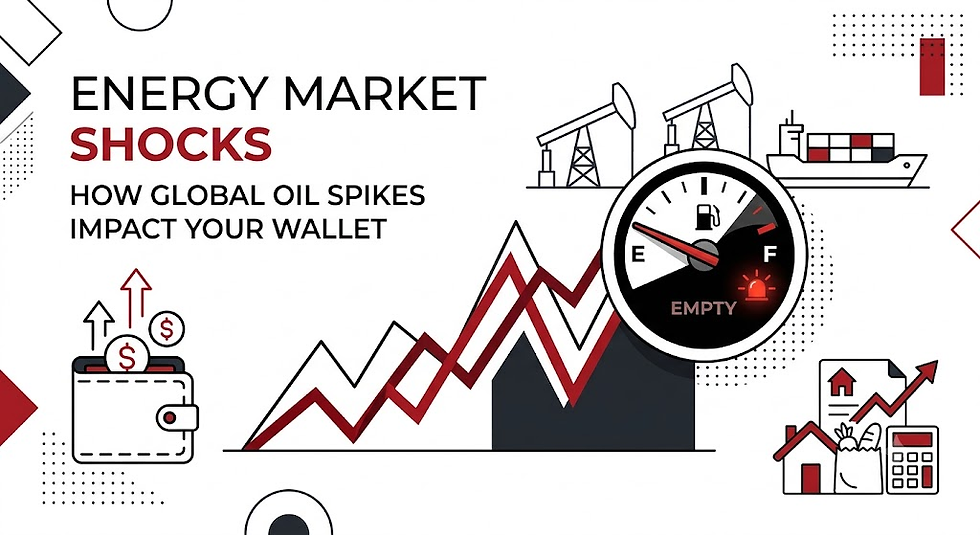
LPG is a byproduct of crude oil refining and natural gas processing. When global crude oil prices increase, LPG prices also rise. Since India imports a major share of its crude oil, fluctuations in international markets directly impact domestic LPG prices.
When oil-producing countries reduce supply or geopolitical tensions occur, the cost of crude oil increases globally. This eventually leads to higher LPG cylinder prices in India.
2. High Import Dependency
India imports nearly 60 percent of its LPG consumption. This heavy dependence on imports makes the country vulnerable to international price fluctuations.
When global LPG prices increase, India must pay more for imports, which eventually raises the cost of LPG cylinders for consumers.
3. Reduction in Government Subsidies
Another major reason why LPG gas is getting expensive in India is the gradual reduction of government subsidies.
Earlier, the government provided significant financial support through LPG subsidies to make cooking gas affordable for households. However, in recent years, subsidies have been reduced or limited to certain beneficiaries, causing the effective consumer price to rise.
4. Currency Exchange Rate Impact
The value of the Indian Rupee against the US Dollar also affects LPG prices. Since crude oil and LPG imports are priced in US dollars, a weaker rupee makes imports more expensive.
When the rupee depreciates, oil marketing companies have to pay more for imports, which leads to higher LPG prices in the domestic market.
5. Transportation and Distribution Costs
Transporting LPG cylinders across the country involves logistics, storage, bottling plants, and distribution networks. Rising fuel prices and infrastructure costs increase transportation expenses, which ultimately contribute to higher LPG prices.
LPG Cylinder Price Trends in India (2020–2026)
Over the past few years, LPG cylinder prices have seen noticeable fluctuations.
Key reasons include:
Global energy market volatility
Rising crude oil demand after the pandemic
Changes in government subsidy policies
Increased transportation costs
In metropolitan cities like Delhi, Mumbai, and Bengaluru, LPG cylinder prices have crossed significant price levels, making affordability a concern for many households.
Government Schemes Affecting LPG Prices
Pradhan Mantri Ujjwala Yojana
The Pradhan Mantri Ujjwala Yojana (PMUY) was launched to provide LPG connections to low-income households. While the scheme improved access to clean cooking fuel, rising LPG prices still affect refill affordability for beneficiaries.
Government support programs continue to play an important role in balancing affordability and fiscal expenditure.
Future LPG Price Outlook in India
Experts predict that LPG prices in India will continue to depend on the following factors:
Global crude oil demand and supply
Geopolitical tensions
Indian rupee strength
Government subsidy policies
Energy transition toward cleaner fuels
India is also exploring alternative energy sources such as electric cooking appliances and piped natural gas to reduce LPG dependence in the future.
How Consumers Can Manage Rising LPG Costs
To reduce LPG consumption and manage costs, households can follow practical steps such as:
Using pressure cookers to reduce cooking time
Maintaining LPG stove burners properly
Cooking multiple dishes simultaneously
Considering energy-efficient kitchen appliances
These practices can help extend the usage duration of each LPG cylinder.
Conclusion
The rising cost of LPG cylinders has become a significant concern for Indian households. The main reasons why LPG gas is getting expensive in India include global crude oil price increases, high import dependency, subsidy reductions, currency fluctuations, and higher transportation costs.
While government schemes and policy adjustments may provide some relief, LPG prices will continue to be influenced by international energy markets. Understanding these factors helps consumers make informed decisions and prepare for potential price fluctuations in the future.


Comments