Is the Middle East War Leading to World War 3? Possible Impact on India
- Mar 7
- 3 min read

Introduction
The ongoing tensions and conflicts in the Middle East have raised a serious question across the world: Is the Middle East war leading to World War 3? With major global powers showing increasing involvement in the region, analysts and political experts are concerned about the possibility of a larger global conflict.
Countries like Israel, Iran, the United States, and Russia are deeply connected to the geopolitical situation in the Middle East. If the conflict expands, it could disrupt global trade, energy supply, and international relations. For India, a nation heavily dependent on Middle Eastern oil and trade routes, the consequences could be significant.
In this article, we analyze whether the Middle East war could escalate into World War 3 and what the potential impact on India might be.
Middle East War World War 3 – Why Experts Are Concerned
The phrase “Middle East War World War 3” has been trending globally because of rising tensions among powerful nations.
Several factors are increasing the risk of a wider conflict:
Growing military involvement of global powers
Rising tensions between Israel and Iran
Strategic importance of Middle Eastern oil reserves
Disruption risks in global shipping routes
Proxy wars involving multiple nations
If these tensions continue to escalate, the possibility of a large-scale war involving multiple countries cannot be completely ruled out.
Key Countries Involved in the Middle East Conflict
The Middle East conflict is not limited to just two countries. Several global and regional powers are involved either directly or indirectly.
Major players include:
IsraelIranUnited StatesRussiaSaudi ArabiaTurkeyPalestinian groups
Each country has its own strategic and political interests in the region. If alliances activate during a major conflict, it could potentially trigger a larger global war scenario.
Possible Impact of Middle East War World War 3 on India
India maintains strong economic and diplomatic ties with Middle Eastern nations. Any escalation in the region could significantly affect the country.
Key impacts may include:
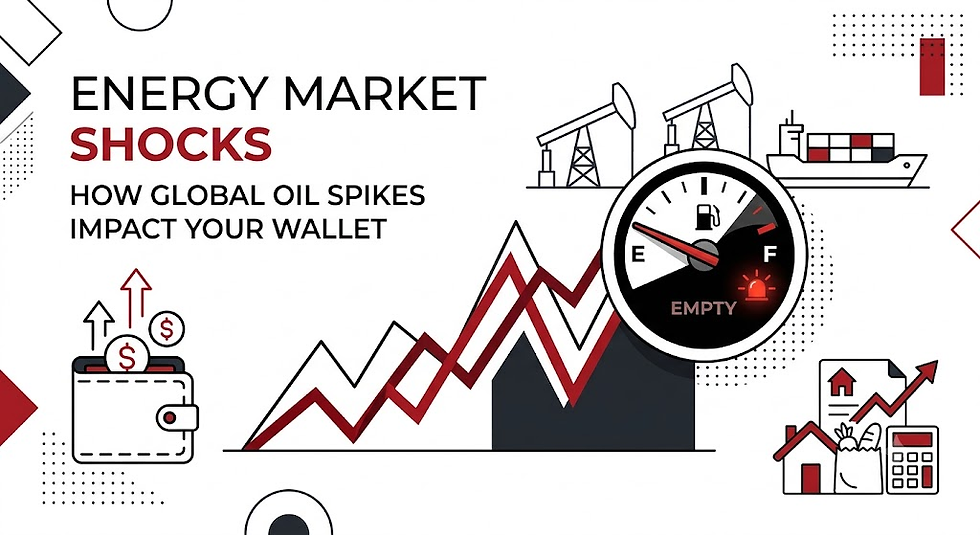
Oil Price IncreaseIndia imports a large portion of its crude oil from the Middle East. A war could cause global oil prices to surge, increasing fuel costs in India.
Trade DisruptionsMajor shipping routes such as the Strait of Hormuz could be affected, disrupting international trade.
Impact on Indian Workers in the Middle EastMillions of Indian workers live in countries like UAE, Saudi Arabia, and Qatar. Conflict could threaten their safety and employment.
Economic InflationHigher oil prices and trade disruptions could increase inflation in India.
Defense and Security ConcernsIndia may need to strengthen military preparedness and international diplomacy.
Global Economic Consequences of a Middle East War
If the Middle East war escalates further, the global economy could face several serious challenges.
Possible consequences include:
Energy supply shortagesStock market instabilityGlobal inflation riseDisrupted supply chainsInternational security threats
Because the Middle East controls a significant portion of the world’s energy resources, any instability in the region quickly impacts global markets.
Can the Middle East War Actually Turn into World War 3?
While tensions are high, experts believe that a full-scale World War 3 scenario is still unlikely but not impossible.
Modern geopolitical systems, international diplomacy, and organizations such as the United Nations work continuously to prevent conflicts from escalating into global wars.
However, history shows that regional conflicts can sometimes expand unexpectedly if alliances and military involvement increase.
Therefore, the world continues to closely monitor the situation in the Middle East.
Conclusion
The ongoing Middle East war has created serious geopolitical tensions that could affect global stability. Although the possibility of World War 3 remains uncertain, the risks associated with expanding conflicts cannot be ignored.
For India, the consequences could include higher oil prices, economic challenges, trade disruptions, and security concerns. Monitoring international developments and maintaining strong diplomatic relations will be crucial in managing these risks.
As the situation evolves, global cooperation and diplomatic efforts will play a vital role in preventing a larger international conflict.


Comments