Strait of Hormuz Explained for Indians: Oil Imports, Risks, Crisis Impact & What Happens Next
- Mar 22
- 2 min read

What is the Strait of Hormuz?
The Strait of Hormuz Explained for Indians begins with understanding its global importance. The Strait of Hormuz is a narrow sea passage connecting the Persian Gulf to the Gulf of Oman.
Nearly 20% of the world’s oil supply passes through this route, making it one of the most critical chokepoints in global trade.
Why Strait of Hormuz Matters for India
India is heavily dependent on oil imports, and a large portion comes from Middle Eastern countries like:
Saudi Arabia
Iraq
United Arab Emirates
Key Impact:
Around 60%+ of India’s crude oil imports pass through this route
Any disruption directly affects fuel prices in India
Inflation and economic slowdown risk increases
Strait of Hormuz Explained for Indians: Current Risks & Tensions
The biggest concern comes from rising tensions involving:
Iran
United States
Key Risks:
Military conflict
Oil tanker attacks
Blockade or closure of the strait
Sanctions impacting oil flow
If Iran blocks the strait, global oil supply could drop sharply.
What Happens If the Strait of Hormuz is Blocked?
Immediate Effects:
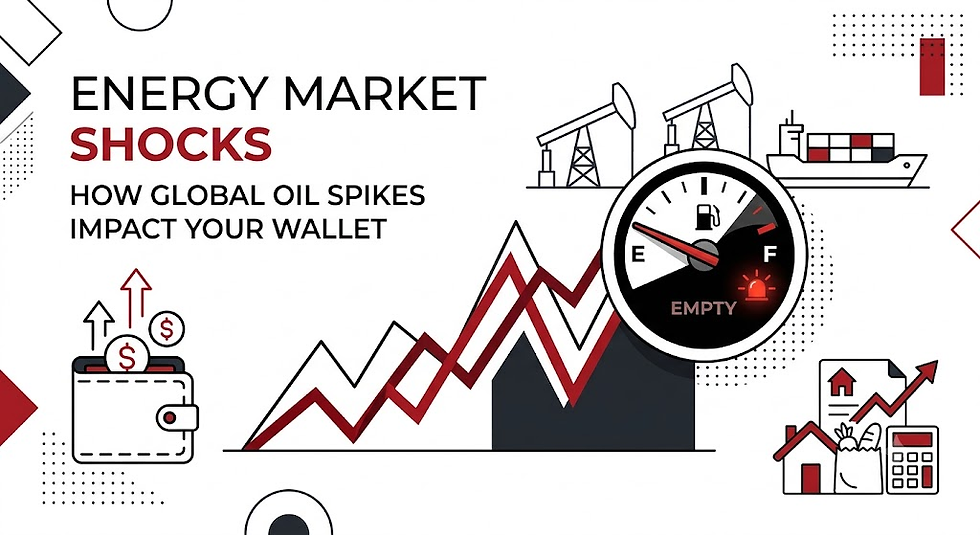
Crude oil prices may rise above $120 per barrel
Petrol & diesel prices in India surge
Stock markets fall
Long-Term Effects:
Economic slowdown in India
Higher inflation
Increased government subsidies
How India is Preparing for a Hormuz Crisis
India has taken several steps to reduce dependency:
1. Strategic Oil Reserves
India stores emergency crude oil for crisis situations.
2. Diversifying Imports
India is increasing imports from:
Russia
United States
3. Renewable Energy Push
Focus on solar, wind, and electric vehicles to reduce oil dependency.
Future Outlook: What Happens Next?
The future depends on geopolitical developments:
If tensions ease → Stable oil prices
If conflict escalates → Global energy crisis
Experts believe that the Strait of Hormuz will remain a high-risk zone for years.
Key Takeaways
Strait of Hormuz handles 20% of global oil trade
India depends heavily on this route
Any disruption = higher fuel prices in India
Government is preparing with alternative strategies
Useful External Links (CTA)
International Energy Agency: https://www.iea.org
Ministry of Petroleum India: https://mopng.gov.in
Live Oil Prices Tracker: https://oilprice.com


Comments